| Stay updated on the top DIGITAL HEALTH NEWS |
|---|
|
|
Digital Remains should be Treated with the Same Care and Respect as Physical Remains
- Details
- Category: Research
Focus on the Digital Transformation - A Wide Range of Topics at conhIT 2018
- Details
- Category: Events
 17 - 19 April 2018, Berlin, Germany.
How is the digitalisation of the healthcare system affecting the relationship between patients and doctors? What new innovations and solutions does the health IT industry have to offer? What new plans does the federal government have for eHealth? These are just some of the questions that conhIT - Connecting Healthcare IT will be asking in Berlin.
Deep Learning Transforms Smartphone Microscopes into Laboratory-Grade Devices
- Details
- Category: Research
conhIT 2018: The stage is Set for Dialogue and Innovations from the Health IT Industry
- Details
- Category: Events
17 - 19 April 2018, Berlin, Germany.Finding out about and supporting all aspects of the digital transformation of the healthcare system: that is what this year's conhIT, Europe's largest event for the health IT industry, is all about. From 17 to 19 April, in addition to the exhibitors who will present their products and solutions on the Berlin Exhibition Grounds, leading politicians, authors and experts will actively contribute to the debate on transforming healthcare.
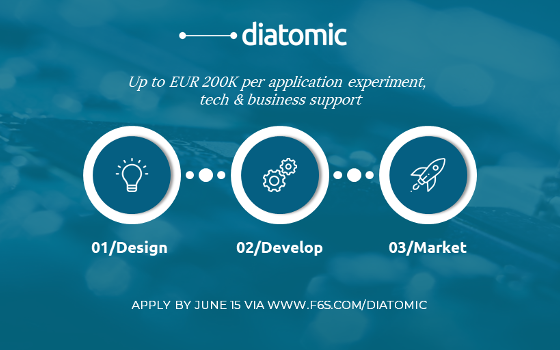
Call for Application Experiments Based on Advanced Microelectronics & Smart System Integration Targeting Health, Agrifood, and Manufacturing
- Details
- Category: Open Calls
FDA Permits Marketing of Artificial Intelligence-Based Device to Detect Certain Diabetes-Related Eye Problems
- Details
- Category: Industry
 The U.S. Food and Drug Administration today permitted marketing of the first medical device to use artificial intelligence to detect greater than a mild level of the eye disease diabetic retinopathy in adults who have diabetes. Diabetic retinopathy occurs when high levels of blood sugar lead to damage in the blood vessels of the retina, the light-sensitive tissue in the back of the eye.
Digital Penicillin Production
- Details
- Category: Research
Imitation is the Most Sincere Form of Flattery, Unless You Are an App Developer
- Details
- Category: Research
Smartphone 'Scores' can Help Doctors Track Severity of Parkinson's Disease Symptoms
- Details
- Category: Research
New Camera Gives Surgeons a Butterfly's Eye View of Cancer
- Details
- Category: Research